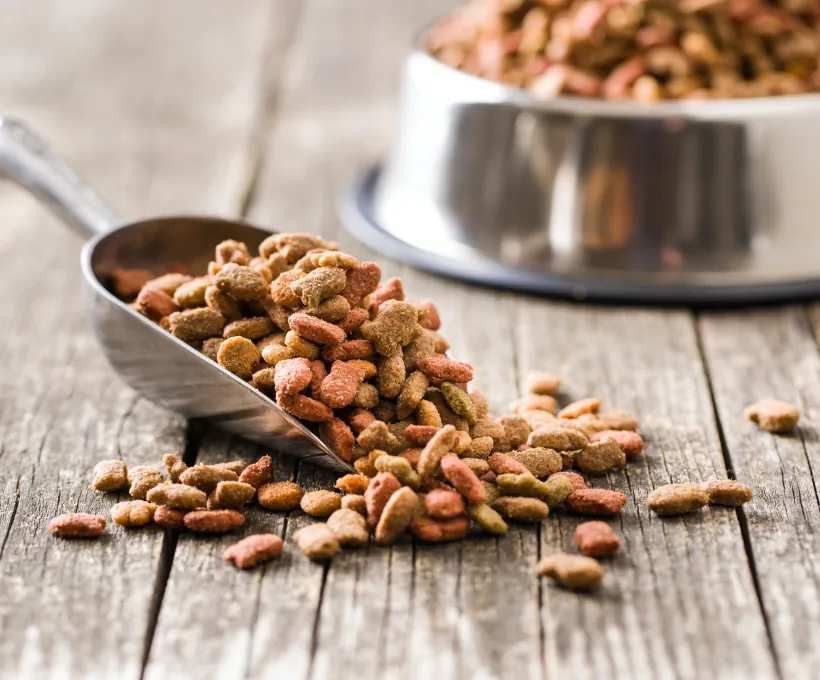
Feeding your dog the right diet is one of the most important decisions you can make as a pet parent. With so many options available—dry food, wet food, raw diet, grain-free formulas—the process can feel overwhelming. But understanding your dog’s nutritional needs can help you pick the perfect meals to keep them healthy and energetic.
Every dog requires a balance of proteins, fats, carbohydrates, vitamins, and minerals. Protein helps build and repair muscles, fats provide energy, carbohydrates assist digestion, and vitamins/minerals support overall health. When choosing dog food, always look for a formula where real meat, such as chicken, beef, or salmon, is the first ingredient.
Your dog’s age also plays a major role in determining their diet. Puppies need high-calorie food rich in protein and DHA to support growth and brain development. Adult dogs benefit from balanced formulas that maintain weight and muscle tone. Senior dogs require low-fat, easily digestible food with joint-support supplements such as glucosamine.
Another factor to consider is your dog’s breed and size. Large-breed dogs may benefit from food with joint-supporting nutrients, while small breeds often need calorie-dense formulas due to faster metabolisms. Dogs with allergies may require grain-free or limited-ingredient diets to minimize irritation.
In addition to packaged food, many pet parents add fresh vegetables, cooked meat, and healthy treats to their dog’s diet. However, avoid harmful foods like chocolate, onions, grapes, and anything containing xylitol. Always introduce new foods slowly and in small amounts.
Ultimately, the best diet is one tailored to your dog’s unique needs. Consult your veterinarian to ensure you’re choosing a nutritious, balanced option that keeps your dog strong and happy.